Meta description: Moving with pets this winter? Learn how to protect dogs and cats from cold-weather risks, prepare for travel, and choose safer ground pet transport over winter air cargo.
Winter travel can bring extra worry for pet parents. Snow, freezing temperatures, icy roads, dry air, and delayed flights all create new safety concerns. When your dog or cat is traveling across town, or across the country, small details can make a meaningful difference.
At A Worthey Ride, we believe pet safety, warmth, and reliability should guide every transportation decision. With the right preparation, moving with pets in cold weather can feel organized and manageable.
This guide explains what to expect when pets are traveling in winter, how to prepare at home, and why ground pet transport is often the safer and more comfortable option than flying.
Important: There is no single temperature that is safe for every pet. Breed, age, coat, body condition, health, wind, moisture, and acclimation all matter. When in doubt, ask your veterinarian.
Understanding Cold-Weather Temperature Risks
The American Veterinary Medical Association explains that pets can be vulnerable to hypothermia and frostbite, even when they have thick coats. Young pets, senior pets, short-haired breeds, thin pets, and animals with heart, lung, or other medical conditions may be affected more quickly. Read the AVMA cold-weather safety guidance before a winter move.
Use these temperature ranges as a planning guide:
- Above 45°F: Most healthy pets can manage brief outdoor transitions, but avoid long waits in exposed areas.
- 32°F to 45°F: Keep loading, unloading, and outdoor breaks short. Watch short-haired, small, elderly, and medically fragile pets closely.
- 20°F to 32°F: The risk of cold stress increases. Use coats or sweaters when appropriate, protect paws, and provide close supervision.
- Below 20°F: Outdoor exposure can become dangerous for many dogs and cats. Postpone nonessential travel when possible and speak with your veterinarian before proceeding.
Wind, wet fur, and icy surfaces can make conditions feel colder than the air temperature suggests. The National Weather Service also recommends keeping pets indoors when possible, wiping away salt and chemicals, and never leaving a pet alone in a cold vehicle. See the National Weather Service pet safety guide.
Why Ground Pet Transport Is Safer in Winter
Flying may seem faster, but winter air travel can involve several temperature-sensitive transitions:
- Waiting outdoors or on a cold tarmac during loading and unloading
- Cargo hold conditions that vary by aircraft and route
- Flight cancellations or rebooking caused by winter storms
- Long connections and delays at unfamiliar airports
- Airline restrictions based on temperature, breed, age, or health
- Limited opportunities for hydration, observation, or comfort breaks
U.S. Department of Transportation and USDA guidance places strict limits on how animals may be exposed to extreme temperatures during air travel. Many airlines commonly require ground temperatures to remain within a specific range, often around 45°F to 85°F, and may require a veterinary acclimation certificate for colder conditions. Some carriers will not accept dogs or cats below approximately 20°F, regardless of paperwork. Policies vary, so always confirm directly with the airline and review USDA guidance for animals traveling by air.
Short-nosed, or brachycephalic, breeds such as Bulldogs, Pugs, Boston Terriers, Persian cats, and Himalayan cats may face additional airline restrictions because their airways and temperature regulation can make stressful travel more difficult. Very young and senior pets may also have a harder time maintaining body temperature.
With professional ground pet transport, we can reduce many of these winter concerns. Ground travel takes longer, but it allows for:
- More consistent climate control
- Direct supervision during the journey
- Scheduled potty, water, and stretch breaks
- Safer, shorter outdoor transitions
- Fewer handoffs and airport transfers
- Photo and text updates for owners
Ground transportation is not right for every route or every pet, but for many families planning cross country pet transport, long distance pet transport, or interstate pet transport, it offers a calmer and more controlled experience.
For a closer comparison, read our guide to ground pet transport versus flying.
Winter Preparation: A Step-by-Step Checklist
A little homework before pickup can make the journey safer and more soothing.
1. Schedule a pre-trip veterinary check
Arrange a veterinary exam well before travel, especially if your pet is a puppy, kitten, senior, brachycephalic breed, or has a chronic condition.
Ask your veterinarian about:
- Fitness for long-distance travel
- Vaccination requirements
- Medication instructions
- Motion sickness or anxiety concerns
- Winter coat or paw protection
- Health certificate requirements for your destination
For interstate travel, requirements can vary by state and may include an examination, current vaccinations, and a health certificate issued within a specific time window. Start early by reviewing our guide to moving your pet to another state. Your veterinarian and the destination state’s animal health office should confirm the final requirements.
2. Acclimate your pet to the crate or carrier
Do not wait until travel day to introduce a crate. Place it in a familiar room and leave the door open. Add:
- A washable blanket that smells like home
- A favorite toy
- A small treat or meal inside
- Safe bedding that does not block ventilation
Practice short car rides, gradually increasing the duration. Acclimation helps the crate feel like a secure resting place instead of a sudden source of stress.
Cats should remain secured in a properly ventilated carrier. At rest stops, we generally recommend keeping cats inside their carriers rather than taking them outdoors, where ice, traffic, and unfamiliar surroundings can create escape risks.

3. Pack for warmth, hydration, and hygiene
Prepare a travel bag with:
- Dry blankets or bedding
- Extra towels
- Regular food and treats
- Fresh water and collapsible bowls
- Prescribed medications
- Leash, collar, and updated identification
- Paw balm or properly fitted booties
- Pet-safe wipes
- Vaccination and health records
- A familiar toy or comfort item
Cold air is often dry, and pets may still become dehydrated even when they are not panting. Offer water regularly and make sure it is not frozen. Small, frequent drinks may be easier on pets prone to motion sickness.
4. Protect paws from ice and road salt
Ice, salt, and de-icing chemicals can cause cracked paw pads or illness if licked. Before a winter break, consider paw balm or properly fitted booties. Afterward:
- Wipe and dry paws, legs, and the belly
- Check between the toes for ice balls
- Look for redness, cracking, bleeding, or limping
- Never allow your pet to lick road salt or antifreeze residue
The AVMA recommends cleaning these areas after outdoor exposure to reduce the risk of chemical irritation or poisoning.
5. Plan warm loading and unloading
Loading and unloading are often the coldest parts of a journey. Have the carrier, leash, records, and comfort items ready before opening the door. Avoid leaving a pet waiting outside while boxes or luggage are handled.
During rest stops, we keep outdoor time purposeful and supervised. Dogs may need a brief potty and stretch break, but they should return to the warm vehicle promptly. Avoid drafts inside the vehicle while maintaining appropriate ventilation and a comfortable temperature.
What to Expect From Our Winter Pet Transportation Services
When families choose A Worthey Ride, we plan around the individual pet, route, weather, and health needs. Our current standards focus on:
- A clean, climate-controlled transport environment appropriate for the trip
- Secure, properly fitted crates or harnesses
- Careful loading and unloading in cold weather
- Scheduled potty, water, and stretch breaks for dogs
- Safe, low-exposure transitions for cats
- Hygiene practices between passengers
- Ongoing observation of behavior, comfort, and hydration
- Photo and text updates to owners during the journey
We do not treat pets like packages. We monitor them as living passengers who may need reassurance, a quieter environment, or a change in routine.

If a winter storm creates unsafe road conditions, we communicate with the owner and review the safest available plan. Reliability does not mean rushing into hazardous conditions. It means making thoughtful decisions that protect the pet and the people caring for them.
A Comforting Success Story From the Road
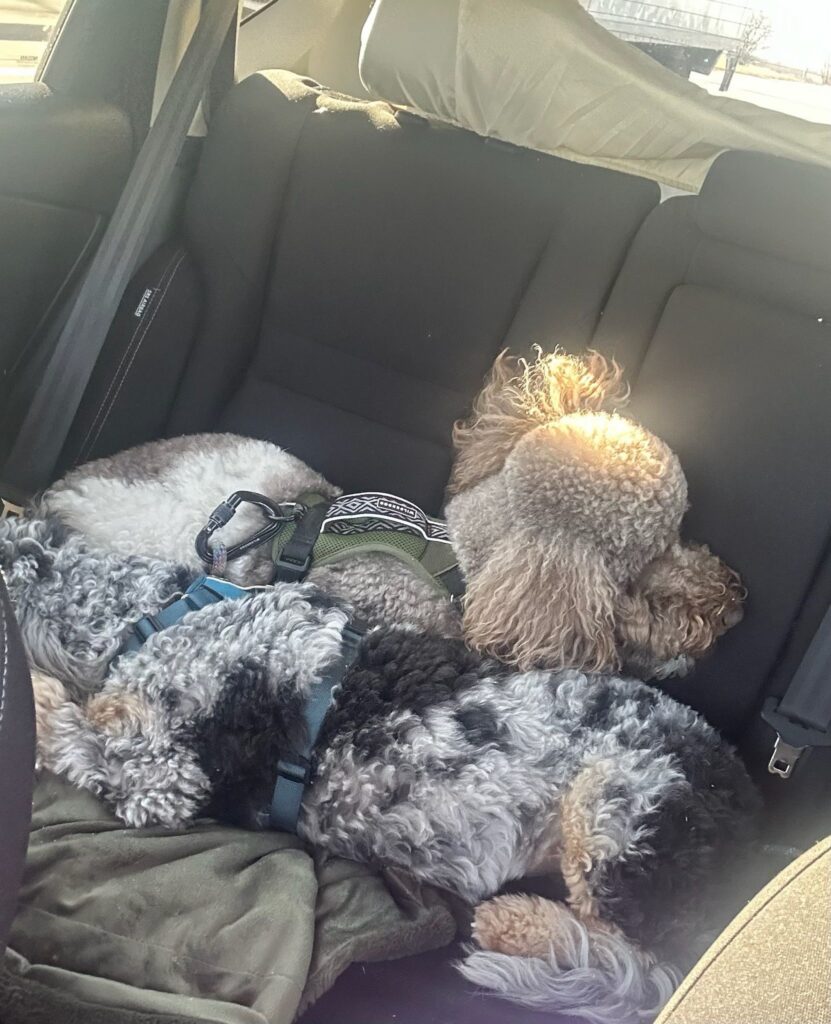
One story we often remember is the transport of two senior dogs, Giggles and Lena. They were shy at first, but their favorite blanket and toys helped them settle. By the time they reached their new home, their owners were greeted by happy faces and a joyful reunion.
That experience reflects an important winter lesson: familiar smells, warm bedding, and patient handling can provide real emotional comfort. A simple preparation step can help a pet feel secure during a major life change.
For more preparation ideas, see our safe and comfortable pet travel guide.
Frequently Asked Questions About Winter Pet Travel
Is it safe to move a dog or cat in freezing weather?
It can be, but the answer depends on the pet, route, weather, and safety plan. Minimize outdoor exposure, avoid drafts, provide climate control, and ask your veterinarian about individual risks. Travel below 20°F requires especially careful consideration and may be unsafe for many pets.
Are ground pet transportation services safer than flying in winter?
For many pets, ground transport is safer and more comfortable because it avoids cargo hold conditions, tarmac exposure, airport handoffs, and weather-related flight cancellations. It also allows scheduled water breaks and closer observation. Small, healthy pets traveling in the cabin may have different considerations.
Can short-nosed dogs or cats fly during winter?
Many airlines restrict or do not accept brachycephalic breeds in cargo. Cold-weather loading, stress, and changing temperatures can add concern. Ask your veterinarian and the specific airline before making plans. Ground pet transport may be a better option for some flat-faced breeds.
How far in advance should I schedule a health certificate?
Requirements vary by destination, airline, and state. Begin by contacting your veterinarian several weeks before travel. Some health certificates must be completed within a specific number of days before arrival, so confirm the timing before booking.
What if my pet is nervous during a long trip?
Crate acclimation, familiar bedding, calm handling, regular updates, and a predictable routine can help. We observe each pet throughout the journey and communicate with owners if we notice unusual stress, discomfort, or changes in behavior.
Plan a Safer Winter Journey With A Worthey Ride
Whether you need dog transport, cat transport, safe pet shipping, or full pet relocation services, we are here to help you plan with warmth and peace of mind. If you are searching for pet movers near me, start with a conversation about your pet’s breed, age, health, destination, and travel dates.
Mention code WORTHEY10 when you book to ask about the 10% first-time customer offer. Contact A Worthey Ride today to discuss reliable ground transportation for your winter move. Your pet deserves a journey that is safe, supervised, and caring from pickup to arrival.
