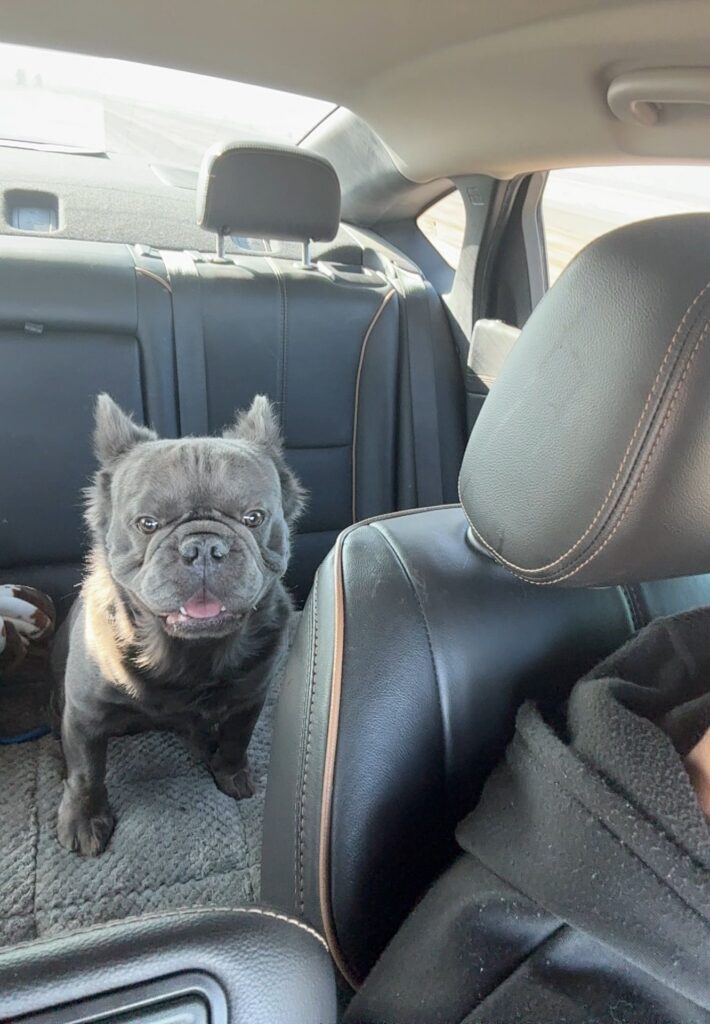
Moving or traveling a long distance with your dog can bring excitement, planning, and a fair amount of worry. You may be asking: Will my dog be comfortable? How often will they get a break? What happens if the weather is hot? Is ground travel safer than flying?
At A Worthey Ride, we understand that your dog is family, not cargo. Our goal is to make long-distance ground travel safe, calm, and predictable from pickup to reunion.
Whether you are comparing pet transportation services, searching for pet movers near me, or planning cross country pet transport, here is what to expect when your pup travels by ground.
Why Ground Transport Is Often the Better Choice
Flying may seem faster, but air travel can involve airline restrictions, cargo handling, loud environments, pressure changes, tarmac delays, and long periods without direct supervision. Some airlines also restrict brachycephalic breeds, senior pets, large dogs, or pets with certain medical conditions.
Ground pet transport offers several important advantages:
- Continuous supervision by a professional transporter
- A calmer, more controlled environment
- Regular opportunities for water, bathroom breaks, and stretching
- No cargo hold or airport transfer stress
- Consistent ventilation and climate control
- More flexibility for senior dogs, anxious dogs, and dogs with special needs
Cornell University’s veterinary travel guidance notes that air travel can create unique risks, especially for dogs traveling in cargo. For many families, a slower but supervised road journey provides greater peace of mind.
Ground travel takes more time, but safer does not always mean faster. For a long-distance move, a few carefully managed days on the road may be more comfortable than several stressful hours in an aircraft.
What to Expect Before Departure
A smooth journey begins before your dog enters the vehicle. Our team works with you to understand your dog’s health, personality, routine, and travel needs.
1. A Pre-Travel Conversation
Before booking, be ready to share:
- Your dog’s age, breed, size, and temperament
- Any medical conditions or medications
- Motion sickness or anxiety history
- Feeding and bathroom routines
- Pickup and drop-off details
- Your preferred travel timeframe
This information helps us plan a safer and more personalized trip. Dogs with respiratory concerns, previous heat stress, mobility limitations, or significant anxiety may require extra preparation and veterinary guidance.
2. Health Records and Travel Documents
For interstate pet transport, requirements can vary by destination. Some states require a Certificate of Veterinary Inspection, current rabies documentation, or other health records.
The USDA Animal and Plant Health Inspection Service explains that pet travel requirements are often determined by the destination state or country. We recommend contacting your veterinarian early so there is enough time to complete any required paperwork.
Keep these items ready:
- Current vaccination records
- Health certificate or CVI, if required
- Medication instructions
- Emergency veterinary contact information
- Microchip and identification details
- Written feeding and care instructions
How We Protect Your Dog During the Journey
Safe pet shipping requires more than putting a dog in a vehicle and driving. It requires preparation, secure handling, hygiene, ventilation, temperature awareness, and regular observation.

Secure Restraint
The American Veterinary Medical Association recommends using an appropriate crate, carrier, or safety harness while traveling. Dogs should not ride loose in a vehicle, and they should never travel unsecured in an open truck bed.
Your dog may travel in a properly sized, well-ventilated crate or another secure setup appropriate for their size and needs. The space should allow them to stand, turn around, and lie down comfortably.
Climate Control and Ventilation
Temperature control is one of the most important parts of long distance pet transport. Dogs can become overheated or chilled quickly, especially puppies, seniors, overweight dogs, and breeds with short muzzles.
We pay attention to:
- Stable interior temperatures
- Airflow around the dog’s travel area
- Direct sunlight on crates or seats
- Weather conditions along the route
- Safe timing for stops and outdoor breaks
For pets with heat sensitivity, hot-weather travel requires additional planning. We avoid leaving dogs unattended in parked vehicles under any circumstances. According to the AVMA, a vehicle’s interior can rise nearly 30 degrees Fahrenheit within 20 minutes, even when the outside temperature seems manageable.
Cleanliness and Hygiene
A clean travel environment supports your dog’s comfort and health. We use practical hygiene procedures between trips, manage accidents promptly, and keep bedding and travel areas fresh.
Familiar items can also help with acclimation. A blanket, small toy, or item carrying the scent of home may make the vehicle feel less unfamiliar.
What a Typical Travel Day Looks Like
Every route is different, but professional dog transportation services should provide a clear routine.
Pickup
At pickup, we confirm your dog’s identity, supplies, documents, medications, and destination details. We take time to use calm voices and gentle handling. If your dog is nervous, a quiet transition is often more helpful than rushing.
Your dog should have a secure collar or harness and current identification. Make sure the microchip information and phone number on the ID tag are up to date.
During Travel
Your dog will be monitored throughout the trip. Depending on the route and your dog’s needs, the schedule may include:
- Regular water offerings
- Bathroom and exercise breaks
- Short opportunities to stretch
- Temperature and comfort checks
- Feeding according to your instructions
- Updates for you along the way
Many dogs settle into the rhythm of the road surprisingly well. A calm vehicle, familiar bedding, and consistent handling can help reduce stress.
Rest Stops
At every stop, safety comes first. Your dog should be leashed before any vehicle door opens. Stops should take place in a secure area, away from traffic and excessive heat.
Avoid hot pavement during warm weather. If the ground is too hot for the back of your hand, it is too hot for your dog’s paws.

Preparing Your Dog: Your Homework Checklist
You can make the journey easier by completing these tasks before pickup:
- Schedule a veterinary checkup. Ask whether your dog is fit for long-distance travel and discuss motion sickness, anxiety, heat sensitivity, or medications.
- Practice crate or vehicle time. Begin with short, positive sessions and gradually increase the length. Cornell recommends early acclimation because some dogs need days or weeks to become comfortable with car rides.
- Feed thoughtfully. A light meal several hours before departure may help reduce nausea. Follow your veterinarian’s advice for puppies, diabetic dogs, and pets with medical conditions.
- Pack familiar supplies. Include food, medications, a leash, waste bags, a collapsible bowl, and a comfort item.
- Label everything. Put your name and phone number on your dog’s supplies and travel crate.
- Confirm your communication plan. Ask when you will receive updates and who to contact during the journey.
- Share honest information. Tell us about nervous behavior, escape attempts, medical concerns, or past travel problems. The more we know, the better we can prepare.
A Small Success Story From the Road
On one recent journey, we helped two senior dogs travel to their new home. They were shy at pickup and needed time to trust the process. Their familiar blanket and toys helped them settle, while gentle handling and regular breaks gave them space to relax.
The best moment came at drop-off: their faces brightened when they saw their owner. That reunion is why we believe pet relocation services should be built around patience, communication, and genuine care.
Frequently Asked Questions
How long does cross country pet transport take?
Travel time depends on the route, weather, traffic, stops, and your dog’s needs. Long-distance trips may take multiple days. We provide an estimated schedule before departure and communicate if conditions change.
Is ground transport safer than flying for dogs?
Ground transport can be a safer and more comfortable option for many dogs because it avoids cargo handling, airline restrictions, airport transfers, and altitude-related stress. Your veterinarian can help you consider your dog’s individual health and temperament.
Can you transport a dog that gets anxious?
Often, yes. We use calm handling, routine, familiar items, and regular observation. Speak with your veterinarian before using any calming medication. Do not give medication unless it has been prescribed and explained for your dog.
What happens if the weather is very hot?
We monitor weather conditions, maintain climate control, protect dogs from direct sun, and schedule shaded breaks. If safe conditions cannot be maintained, travel may need to be delayed. Your dog’s safety comes before a timeline.
How do I find reliable pet movers near me?
Look for a transporter that explains its safety procedures clearly. Ask about secure restraint, ventilation, hygiene, rest stops, emergency planning, health records, and communication. A professional should welcome your questions rather than make vague promises.
Plan a Safer Ground Journey With A Worthey Ride
Moving with pets is a major responsibility, but you do not have to manage every mile alone. A Worthey Ride provides caring, dependable pet transportation services for local, long-distance, and interstate journeys.
If your dog needs to travel across town or across the country, contact us about a personalized ground pet transport plan. Visit our pet transportation services, review our guide on preparing your pet for a safe journey, or call (909) 449-9534.
First-time customers can mention code WORTHEY10 and ask whether the 10% offer applies to their booking.
Let’s help your best friend arrive safely, comfortably, and ready to be reunited with you.
